
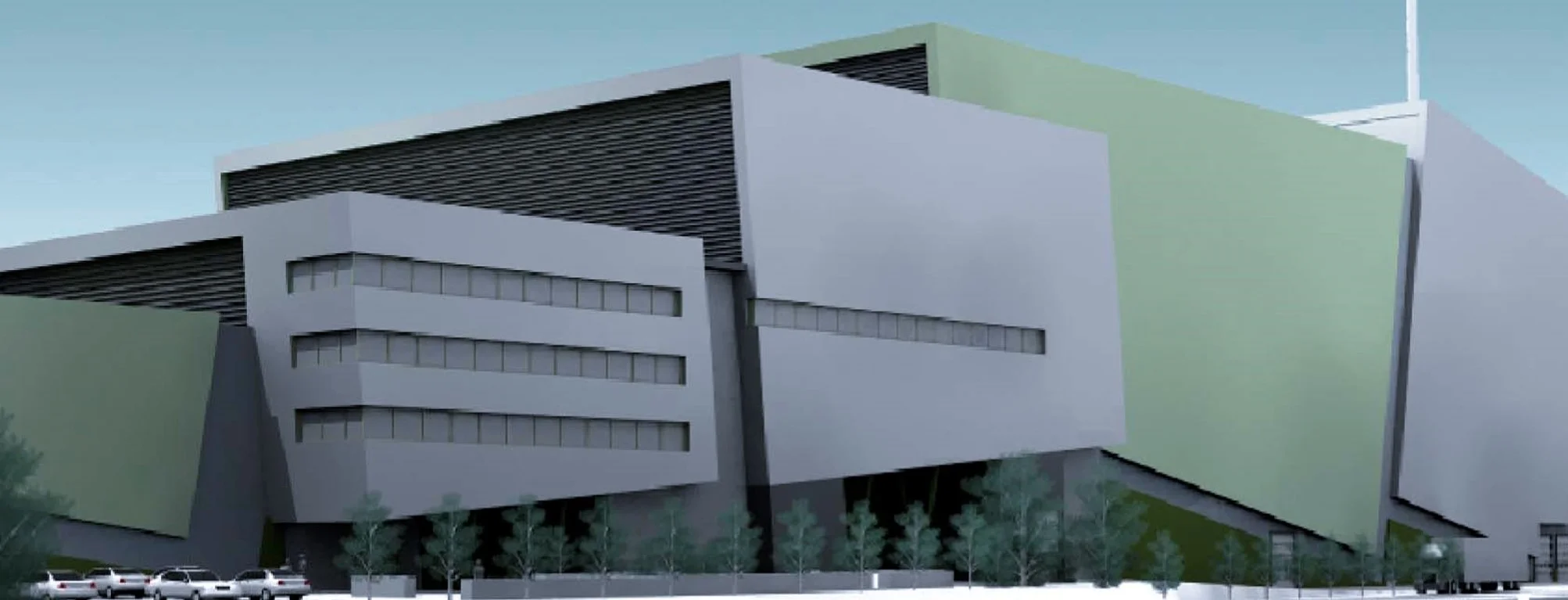

Focus on – How electricity is made
/Here at the Gloucestershire Energy from Waste Facility we talk about the 4Rs – Reduce, Reuse, Recycle and Recovery. The Recovery element is where we come in.
We recover energy from the waste that is left over after Reduce, Recycle and Reuse has taken place. We call this household residual waste. The energy we recover takes the form of electricity which is one of our main outputs.
So how is the electricity generated? The waste is delivered to the Facility and collected in the bunker. It’s then loaded into the combustion grate feed hopper using the overhead crane. The waste goes through a combustion process at extremely high temperatures – over 850 degrees centigrade. The steam that is generated from this process is fed into a steam turbine connected to a gearbox and generator which produces electricity.
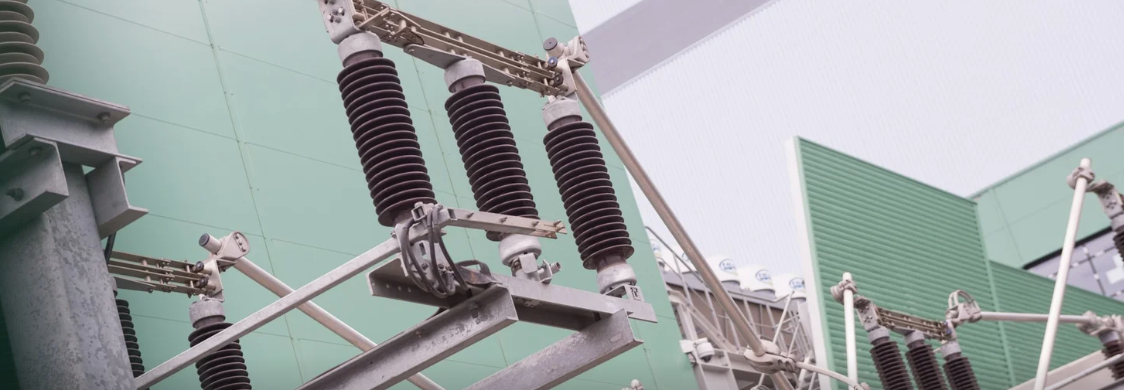
Electricity generation at Gloucestershire Energy from waste facility
After supplying the Facility’s own needs, the excess electricity is exported to the National Grid, this is enough electricity to power 25,000 homes.
The Facility’s design is complex with a number of processing elements which are common across all Energy from Waste Facilities. The technology involved is state-of-the-art and allows the safe and efficient combustion of up to 190,000 tonnes per year of household residual waste. The energy the Facility generates contributes to the UK’s renewable energy targets.
Each month we report on the total amount of electricity that is produced and sent to the National Grid. In October, it equated to 12,384 MWh. To put this into context, households that have solar panels installed would need two thousand solar panels to generate energy output of just 1 megawatt.
It’s a fascinating process with many elements. If you’d like to understand more about how the Facility operates, check our availability for a site tour by visiting https://gloucestershireefw.co.uk/visitor-centre
